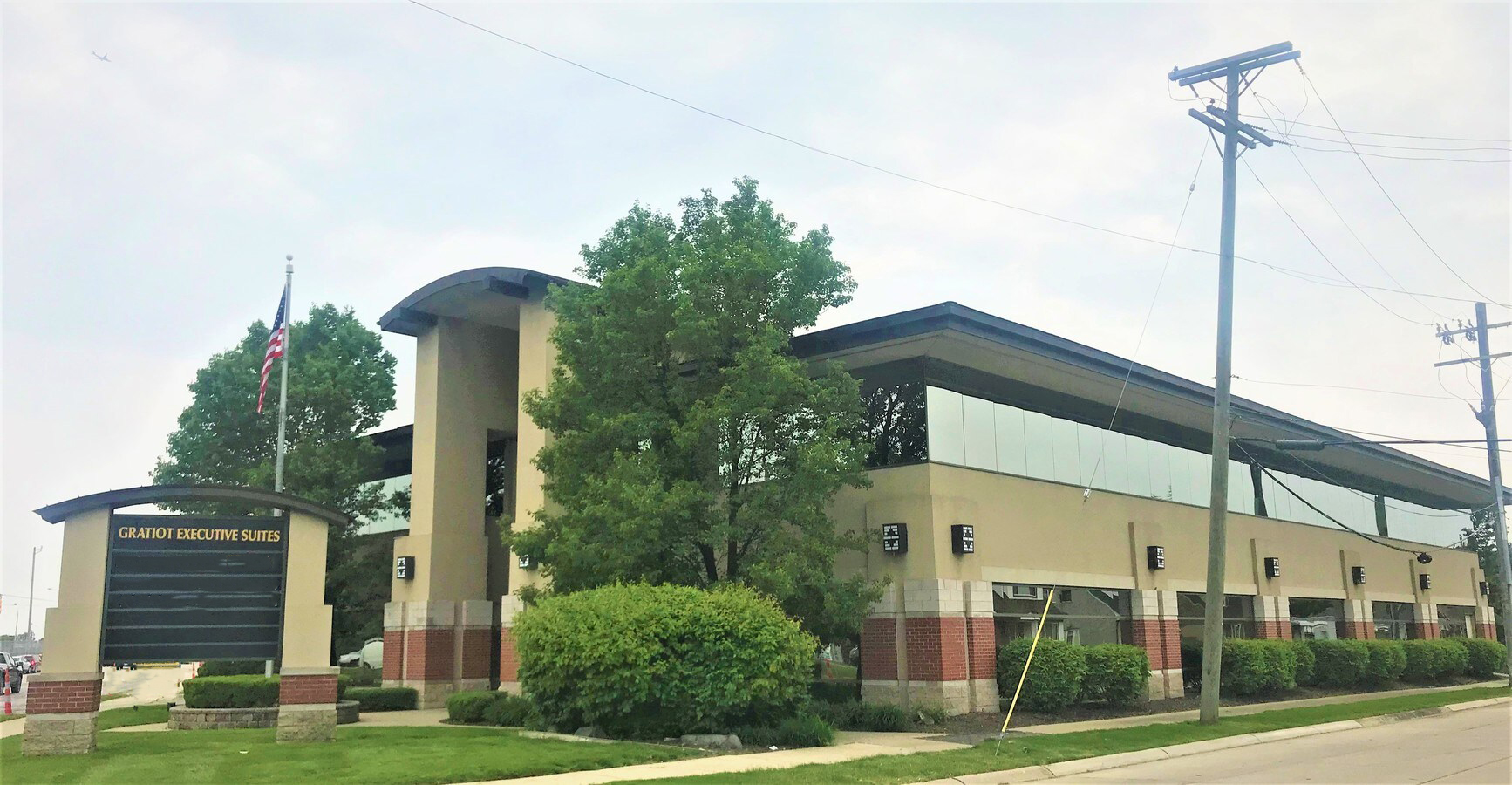
A vacant commercial property can become expensive quickly. Property taxes, insurance, utilities, maintenance, repairs and financing costs continue whether the building is producing income or not.
The solution is not simply putting up a “For Lease” sign.
Successfully leasing commercial property in Metro Detroit usually requires the right combination of property positioning, pricing, presentation, marketing, brokerage and tenant strategy.
At BLD Companies, we approach commercial leasing from both the real estate and physical-property sides of the equation. Sometimes the best solution is stronger marketing. Other times, the property needs improvements, repositioning or a different leasing strategy before the market will respond.
1. Understand Why the Property Is Vacant
Before spending money on advertising, determine why tenants have not leased the space.
Common issues include:
- Rent that is above the market.
- An outdated building or suite.
- Poor exterior appearance.
- An inefficient floor plan.
- Limited signage or visibility.
- Lack of parking.
- Deferred maintenance.
- Poor online presentation.
- Restrictive lease terms.
- Marketing to the wrong type of tenant.
- A space that needs to be repositioned for a different use.
A property may be perfectly functional but poorly positioned for today's tenant.
That distinction matters. Reducing the rent is not always the answer. Sometimes relatively modest improvements can make the property significantly more competitive.
The first question to ask
Before asking how to advertise a vacant property, ask why a qualified tenant would choose another building instead. The answer often reveals where the leasing strategy needs to change.
2. Determine the Best Use for the Space
Commercial buildings often outlive the businesses they were originally designed to serve.
An older office building may work better as medical space. A large office suite may perform better if divided into several smaller suites. A former retail location might work for professional services, medical use, fitness or another service-oriented business.
An underutilized industrial property may have opportunities for warehouse, contractor, distribution or flex-space users.
The question should not simply be:
“Who will lease this space?”
It should also be:
“What type of tenant is this property best suited for today?”
Understanding that answer can significantly expand the potential tenant pool.
3. Establish a Competitive Asking Rent
Pricing a commercial lease requires more than looking at a few online listings.
Owners should consider:
- Comparable properties.
- Building condition.
- Location.
- Visibility.
- Parking.
- Suite size.
- Included utilities.
- Tenant improvement requirements.
- Lease structure.
- Length of lease.
- Current competing inventory.
The highest advertised rent does not necessarily produce the highest return.
For example, holding out for an additional dollar or two per square foot may not make financial sense if the space remains vacant for another six months.
The goal should be to find the right balance between rental rate, occupancy, tenant quality and long-term property value.
4. Improve the Property Before Marketing It
Prospective tenants often make their first decision before ever entering the building.
Exterior appearance matters. So do the lobby, hallways, landscaping, lighting, signage, flooring, paint and overall condition of the available suite.
Improvements do not always require a major renovation.
High-impact improvements can include:
- Fresh paint.
- Updated flooring.
- Improved lighting.
- Landscaping.
- Exterior cleanup.
- New signage.
- Updated common areas.
- Removal of outdated furniture or equipment.
- Minor repairs.
- Better suite identification.
- Professional cleaning.
The objective is to help a prospective tenant immediately picture their business operating in the space.
For buildings that need more than minor cosmetic work, BLD Companies' property repositioning services can help identify improvements that may strengthen the property's leasing position.
5. Create a Strong Commercial Property Listing
A successful listing needs to do more than state the address and square footage.
Prospective tenants want to quickly understand what makes the property useful for their business.
A strong listing should include:
- Professional photographs.
- Building and suite square footage.
- Asking rent.
- Lease structure.
- Parking information.
- Signage opportunities.
- Floor-plan description.
- Nearby highways and major roads.
- Building amenities.
- Potential uses.
- Location advantages.
- Available tenant improvements.
- Clear contact information.
The listing should answer the tenant's first question:
“Why should I consider this property?”
6. Market the Property in More Than One Place
Commercial leasing should rarely depend on a single listing platform.
A broader marketing strategy may include:
- Commercial real estate listing platforms.
- MLS exposure.
- The brokerage company's website.
- Google search visibility.
- Social media.
- LinkedIn.
- Facebook.
- Email marketing.
- Direct outreach to local businesses.
- Commercial real estate broker networks.
- Property signage.
- Targeted tenant prospecting.
Different tenants search for properties in different ways.
A business owner searching Google for office space in Eastpointe, for example, may never see the same listings as a commercial broker searching a professional listing database.
Strong commercial property marketing should create multiple ways for tenants to discover the building.
7. Market the Location, Not Just the Building
Metro Detroit is made up of dozens of individual commercial markets.
Tenants often choose locations based on factors such as:
- Highway access.
- Customer demographics.
- Employee commuting patterns.
- Nearby businesses.
- Downtown activity.
- Visibility.
- Parking.
- Municipal incentives.
- Proximity to suppliers or customers.
A property in Pontiac should be marketed differently than one in Roseville, Mount Clemens, Sterling Heights or Eastpointe.
Effective leasing identifies the strongest attributes of the surrounding market and connects those advantages to the needs of the prospective tenant.
8. Make the Space Easy to Tour
Commercial tenants frequently tour several properties in a short period of time.
A property that is difficult to access can lose prospects before serious negotiations even begin.
Owners should make sure:
- The property is clean.
- Lights are working.
- Utilities are functioning.
- Doors and locks