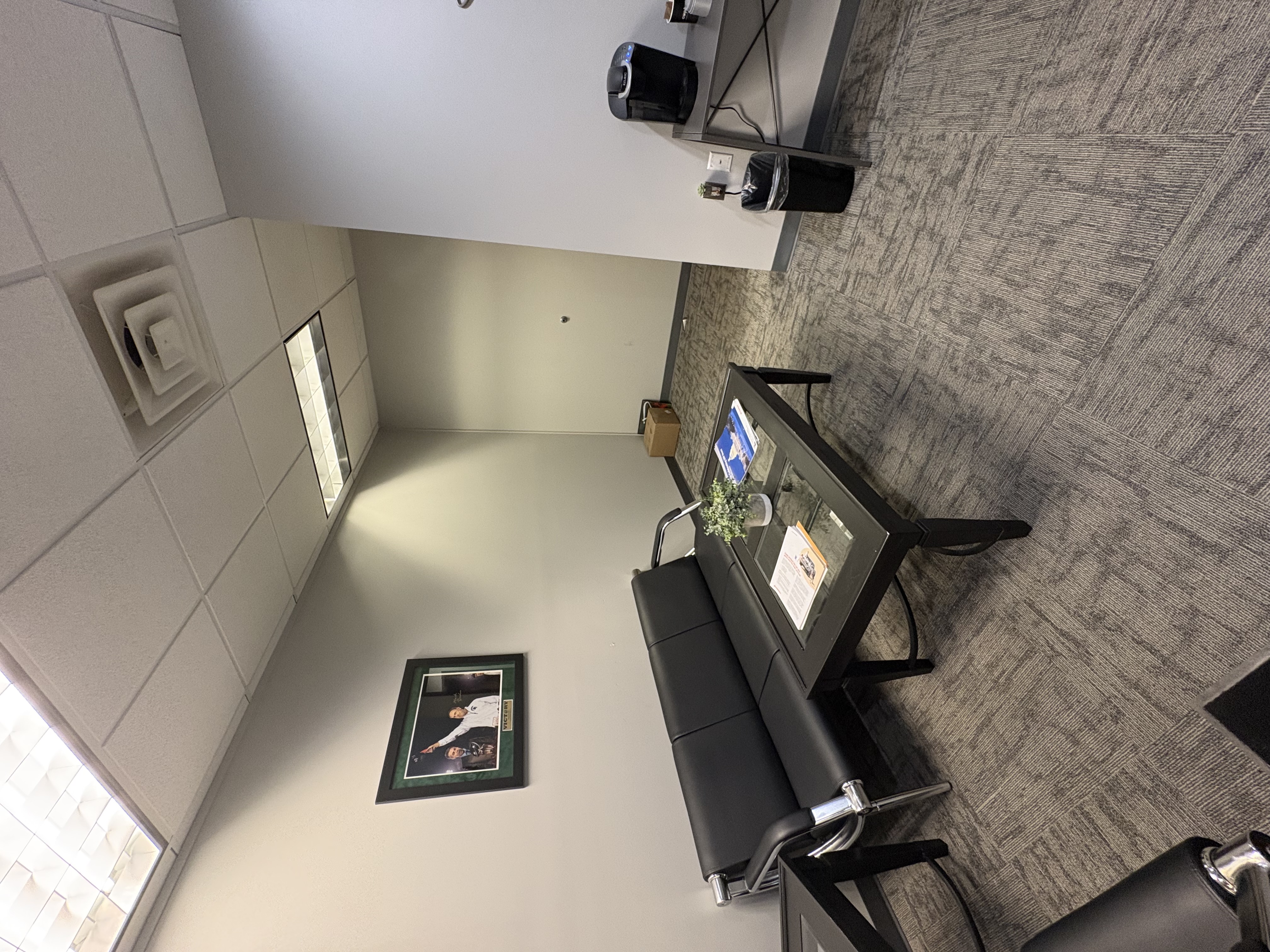
A vacant commercial building often creates an immediate question for the owner: Should we renovate the space before putting it on the market?
Sometimes the answer is yes. Sometimes the better strategy is to make only a few targeted improvements and let the future tenant influence the rest of the build-out.
The key is understanding the difference between improvements that make a property easier to lease and improvements that simply make it newer.
At BLD Companies, we look at commercial renovation from both the real estate and construction sides of the equation. The objective is not to spend as much as possible improving a building. It is to determine which improvements are most likely to improve marketability, remove objections and help the property compete for tenants.
Start With the Leasing Problem, Not the Renovation
Before developing a construction scope, ask a more important question:
What is preventing this property from leasing today?
If prospective tenants are consistently objecting to worn carpet, dated lighting and dark common areas, improvements may be fairly straightforward.
If the problem is that the available suite is 8,000 square feet while most tenants in the market are looking for smaller spaces, replacing the carpet will not solve the real issue.
Likewise, a beautifully renovated office building can still struggle if it has poor visibility, inadequate parking, an inefficient layout or an asking rent that is out of step with competing properties.
Renovation should support the property's leasing strategy—not substitute for one.
The first question
Do not begin with “What should we renovate?” Begin with “What is preventing this property from performing better?” That distinction can keep improvement dollars focused on the issues most likely to affect leasing.
When Renovating Before Leasing Makes Sense
There are several situations where making improvements before actively marketing the property can help.
1. The Property Makes a Poor First Impression
Tenants begin evaluating a property before they enter the available suite.
They notice:
- Landscaping.
- Parking lot condition.
- Exterior signage.
- Building entrances.
- Lighting.
- Lobbies.
- Hallways.
- Restrooms.
- General cleanliness.
If those areas look neglected, prospective tenants may assume the rest of the property is poorly maintained as well.
Relatively modest improvements to the exterior and common areas can sometimes have a greater impact than completely renovating an individual suite.
2. The Existing Finishes Are Clearly Outdated
A commercial space does not need to follow every design trend, but severely outdated or damaged finishes can make it difficult for a tenant to picture occupying the building.
Common examples include:
- Worn or stained flooring.
- Damaged ceiling tiles.
- Outdated fluorescent lighting.
- Old wall coverings.
- Dark or heavily personalized paint colors.
- Broken blinds.
- Damaged doors or hardware.
- Worn reception and common areas.
These can be good candidates for improvement because they affect nearly every prospective tenant's perception of the space.
3. Deferred Maintenance Is Creating Leasing Objections
Cosmetic improvements are one thing. Deferred maintenance is another.
A tenant may be willing to change paint colors. They are far less likely to overlook:
- Roof leaks.
- HVAC problems.
- Plumbing issues.
- Electrical problems.
- Water damage.
- Broken doors.
- Poor exterior lighting.
- Damaged pavement.
- Accessibility issues.
Known maintenance problems can also complicate lease negotiations because prospective tenants may immediately begin asking who will be responsible for correcting them.
Addressing obvious building deficiencies before marketing can eliminate unnecessary uncertainty.
4. The Space Is Difficult for Prospective Tenants to Understand
Vacant commercial space should make it easy for a prospective tenant to picture their business there.
That becomes difficult when a suite contains:
- Abandoned furniture.
- Old equipment.
- Damaged partitions.
- Excessive interior walls.
- Debris.
- Poor lighting.
- Highly specialized finishes from the previous tenant.
Sometimes the most valuable renovation is actually demolition. Removing obsolete improvements and creating a clean, simple space can make the property easier to understand and open it to a wider range of potential users.
5. A Specific Improvement Expands the Tenant Pool
Some renovations can fundamentally change who can use the property.
Examples may include:
- Dividing a large suite into smaller spaces.
- Creating separate entrances.
- Adding or improving restrooms.
- Improving accessibility.
- Creating shared conference facilities.
- Updating electrical capacity.
- Improving HVAC systems.
- Adding kitchenette or break-room space.
- Reconfiguring reception areas.
These improvements deserve a different analysis because they may increase the number of businesses that can realistically consider the property.
When You May Want to Wait for the Tenant
Not every vacant commercial suite should be completely renovated before leasing.
In many situations, completing too much work before securing the tenant can create additional cost without improving the odds of getting a deal done.
Tenant Needs Vary
An attorney, medical practice, accountant, therapist and technology company may all require very different layouts.
Building a highly finished speculative office for one type of user can make the property less attractive to another.
This is especially important when the renovation involves:
- Interior walls.
- Private offices.
- Plumbing.
- Electrical locations.
- Specialized lighting.
- Break rooms.
- Medical improvements.
- Conference rooms.
If those decisions can reasonably wait, it may make more sense to complete them after a tenant is identified.
Avoid Renovating the Same Space Twice
One of the most expensive outcomes is renovating a vacant suite and then immediately changing it again for the incoming tenant.
For example, an owner might spend money creating six private offices only to sign a tenant that needs an open work area.
The construction itself may have been perfectly good. It simply was not the construction the tenant needed.
That is why speculative improvements are generally most effective when they are broadly useful.
Consider a White-Box or Vanilla-Box Approach
Depending on the property type, one alternative is to prepare the space to a clean, neutral condition.
That might include:
- Fresh neutral paint.
- Basic flooring.
- Functional lighting.
- Finished ceilings.
- Working HVAC.
- Completed restrooms.
- Clean electrical systems.
- Removal of obsolete improvements.
- General repairs and cleaning.
The space presents well but remains flexible enough to accommodate the eventual tenant.
The exact level of finish will depend on whether the property is office, retail, industrial, medical or another commercial use.
Prioritize Improvements by Impact
When renovation funds are limited, improvements should be prioritized according to their effect on the leasing decision.
A useful way to evaluate improvements is to divide them into three categories.
Required Improvements
These are issues that generally need to be addressed because they affect building function, access, basic usability or the ability to confidently show the property.
Examples may include building-system repairs, water intrusion, damaged doors, failed lighting or obvious deferred maintenance.
Marketability Improvements
These improvements help the property compete more effectively and often create the greatest visible change.
- Paint.
- Flooring.
- Lighting.
- Exterior cleanup.
- Landscaping.
- Signage.
- Lobby improvements.
- Updated restrooms.
- Common-area improvements.
Tenant-Specific Improvements
These are improvements that depend heavily on the eventual occupant.
- Office configuration.
- Specialty plumbing.
- Medical rooms.
- Dedicated IT infrastructure.
- Custom reception areas.
- Specialty lighting.
- Unique finishes.
Whenever possible, these decisions can often wait until there is a tenant involved.
Think About the Entire Building, Not Just the Vacant Suite
Owners sometimes focus all renovation dollars inside the available space while ignoring the areas every tenant must experience.
That can be a mistake.
A newly renovated suite loses some of its impact if a prospective tenant reaches it through an outdated lobby and poorly lit hallway.
Before renovating the vacancy, walk through the entire tenant experience:
Street → parking lot → entrance → lobby → hallway → suite
Every stage contributes to the tenant's impression of the property.
In some buildings, improving the common areas can benefit every existing and future tenant at the same time.
Curb Appeal Matters in Commercial Real Estate Too
Commercial tenants may evaluate properties differently than homeowners, but presentation still matters.
A relatively small exterior improvement plan can change how a building is perceived. That may include:
- Trimming landscaping.
- Cleaning the façade.
- Repainting exterior elements.
- Updating monument signage.
- Improving parking lot striping.
- Repairing damaged pavement.
- Replacing exterior lighting.
- Improving building identification.
The goal is not simply making the property attractive. It is communicating that the building is actively maintained and professionally managed.
Use Leasing Feedback to Guide Renovation Decisions
If a property is already being marketed, tenant and broker feedback can be extremely valuable.
Pay attention when multiple prospects raise the same concern.
“The suite is too large.”
That may suggest subdivision.
“The building feels dated.”
That could point toward common-area improvements.
“We would need too much work before moving in.”
That may indicate a need for a more complete landlord improvement package.
“We can't figure out where customers would enter.”
That may be a signage, entrance or wayfinding problem.
One objection may be personal preference. The same objection from several different prospects is market information.
Our guide How to Lease a Vacant Commercial Property in Metro Detroit looks more broadly at how pricing, positioning, improvements and marketing work together in the leasing process.
Consider Tenant Improvement Allowances
Instead of completing every renovation in advance, the owner may provide a tenant improvement allowance, often called a TI allowance.
Under this structure, the landlord contributes an agreed amount toward improvements associated with the tenant's occupancy.
This can provide a useful middle ground. The owner avoids guessing exactly what the tenant wants, while the tenant receives help adapting the property to its business.
The amount and structure should be considered in conjunction with:
- Lease term.
- Rental rate.
- Tenant credit.
- Construction cost.
- Property value.
- Improvement type.
- Expected life of the improvements.
A longer lease may justify a larger landlord investment than a short-term agreement.
Evaluate the Economics Before Starting Construction
Renovation decisions should ultimately connect back to the financial performance of the property.
Suppose an owner is considering spending $75,000 renovating a vacant suite. That investment should be evaluated against questions such as:
- Could the improvement reduce vacancy?
- Could it support a higher rent?
- Could it attract a stronger tenant?
- Could it result in a longer lease?
- Will the improvements remain useful for future tenants?
- How long could it take to recover the investment?
- Would a smaller improvement package accomplish most of the same objective?
The correct answer is not always the least expensive option. It is the option that produces the strongest relationship between cost, leaseability and long-term property performance.
Renovate for the Market, Not Personal Taste
Commercial renovation should be driven by the target market rather than the owner's personal preferences.
An owner may love a certain flooring material, paint color or architectural style. That does not necessarily mean tenants will value it.
Whenever possible, improvements should be:
- Durable.
- Neutral.
- Professional.
- Easy to maintain.
- Appropriate for the property's target tenant.
- Flexible enough for future occupants.
The objective is not creating the owner's ideal office. It is creating a property the market wants to lease.
Renovation and Property Repositioning Are Not the Same Thing
A renovation changes the physical property.
Property repositioning changes how the property competes.
Sometimes renovation is part of repositioning, but repositioning may also involve:
- Changing suite sizes.
- Targeting different tenants.
- Rebranding the building.
- Changing the marketing strategy.
- Improving signage.
- Revising rents.
- Creating different leasing options.
- Changing how parts of the building are used.
If a property has experienced persistent vacancy, the better question may not be “What should we renovate?” It may be “What is preventing this property from performing better?”
For a deeper look at that process, read What Is Commercial Property Repositioning?
Coordinate Construction and Leasing
Renovation and leasing should not happen independently.
The leasing strategy should help determine what construction makes sense, while the physical building should help determine which tenants are realistic prospects.
This is where having both perspectives can be especially valuable.
At BLD Companies, our approach combines commercial leasing, property strategy, property repositioning, property marketing and construction management.
That allows renovation decisions to be evaluated in the context of the overall property strategy rather than as an isolated construction project.
Renovate with a purpose
Fix the problems that create obvious objections, improve the areas that influence nearly every prospect, and be cautious about spending heavily on tenant-specific improvements before you know who the tenant will be.
The Bottom Line
So, should you renovate a commercial building before leasing it?
Sometimes—but renovate with a purpose.
Fix problems that create obvious objections. Improve areas that influence nearly every prospective tenant. Make the property clean, functional and easy to understand. But be cautious about spending heavily on tenant-specific improvements before you know who the tenant will be.
The goal is not to renovate simply for the sake of renovation. The goal is to make the property easier to lease, easier to use and more competitive in its market.
For commercial property owners throughout Metro Detroit and Southeast Michigan, BLD Companies can help evaluate the building, leasing strategy and potential improvements together to determine where an investment may have the greatest impact.